




Mastering the ability to plant grass seed correctly is a fundamental skill for any landscaping expert. Whether your project involves starting a lawn from scratch or rehabilitating a patchy area of turf, using the right seeding techniques is vital. It’s the difference between a thin, struggling lawn and one with fast germination, deep roots, and the kind of lush density that clients truly value.
When you combine high-quality materials with precise timing and attentive aftercare, seeding becomes one of the most dependable and profitable services you can offer.
Step 1: Prepare the Soil for Success
A spectacular lawn is built from the ground up. Before you even think about the seed, you must clear away any rocks, debris, or stubborn weeds. Take the time to loosen the top 2–3 inches of soil with a tiller or rake; this simple step encourages better oxygen flow and allows young roots to penetrate deeper. If you’re dealing with heavily compacted ground, mixing in premium topsoil or a soil conditioner will significantly improve drainage and nutrient uptake.
Step 2: Choose the Right Grass Seed
Every job site has its own unique challenges, which means your choice of turf variety matters. You need to select seeds that are compatible with the local climate, the amount of sunlight the area receives, and how the lawn will be used. This might mean choosing Bermuda for its rugged durability, Zoysia for a low-maintenance approach, or fescue blends for those tricky shaded corners. For commercial contracts, blended seed options are often the best bet to ensure a perfectly uniform appearance.
Step 3: Seeding and Coverage Techniques
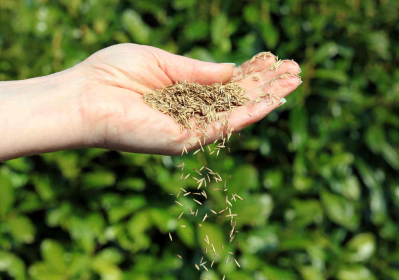
To avoid the headache of patchy growth, even distribution is non-negotiable. Use a drop or broadcast spreader to plant grass seed across the area, followed by a light raking to ensure the seeds make direct contact with the soil. Finally, protect your hard work by applying a thin layer of straw or mulch; this helps keep moisture where it belongs and prevents the seeds from washing away during a heavy rain.
Step 4: Watering and Early Maintenance
Freshly seeded lawns are thirsty and require a disciplined watering routine. For the first 10–14 days, water the area lightly once or twice a day. The goal is to keep the soil consistently damp without causing any flooding. It is also important to keep foot traffic to an absolute minimum until the seedlings have had a chance to establish a firm root system.
For easy access to high-end materials and professional support, you can explore specialized plant grass seed resources that are highly rated by industry experts.
Conclusion: Build Healthier Lawns, Every Time
When you refine your process to plant grass seed, you aren't just growing turf—you’re building your reputation. Proper soil preparation, the right seed selection, and a committed maintenance plan allow you to deliver thicker lawns, minimize the need for callbacks, and keep client satisfaction high. With these steps, you can turn any patch of bare dirt into a resilient, vibrant landscape that thrives through every season.