$400 - Pallet. A Ridge Block (also referred to as a ridge cap or ridge tile) is a specially designed roofing component used at the peak or ridge of a roof to provide a secure, weather-resistant seal. It plays a critical role in protecting the roof's structure, improving its overall aesthetics, and ensuring its durability by covering the joint where two roof planes meet.
Product View
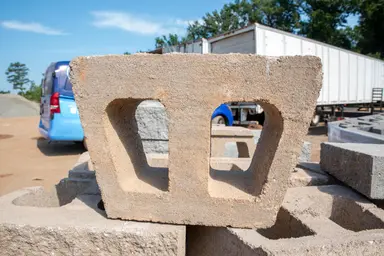
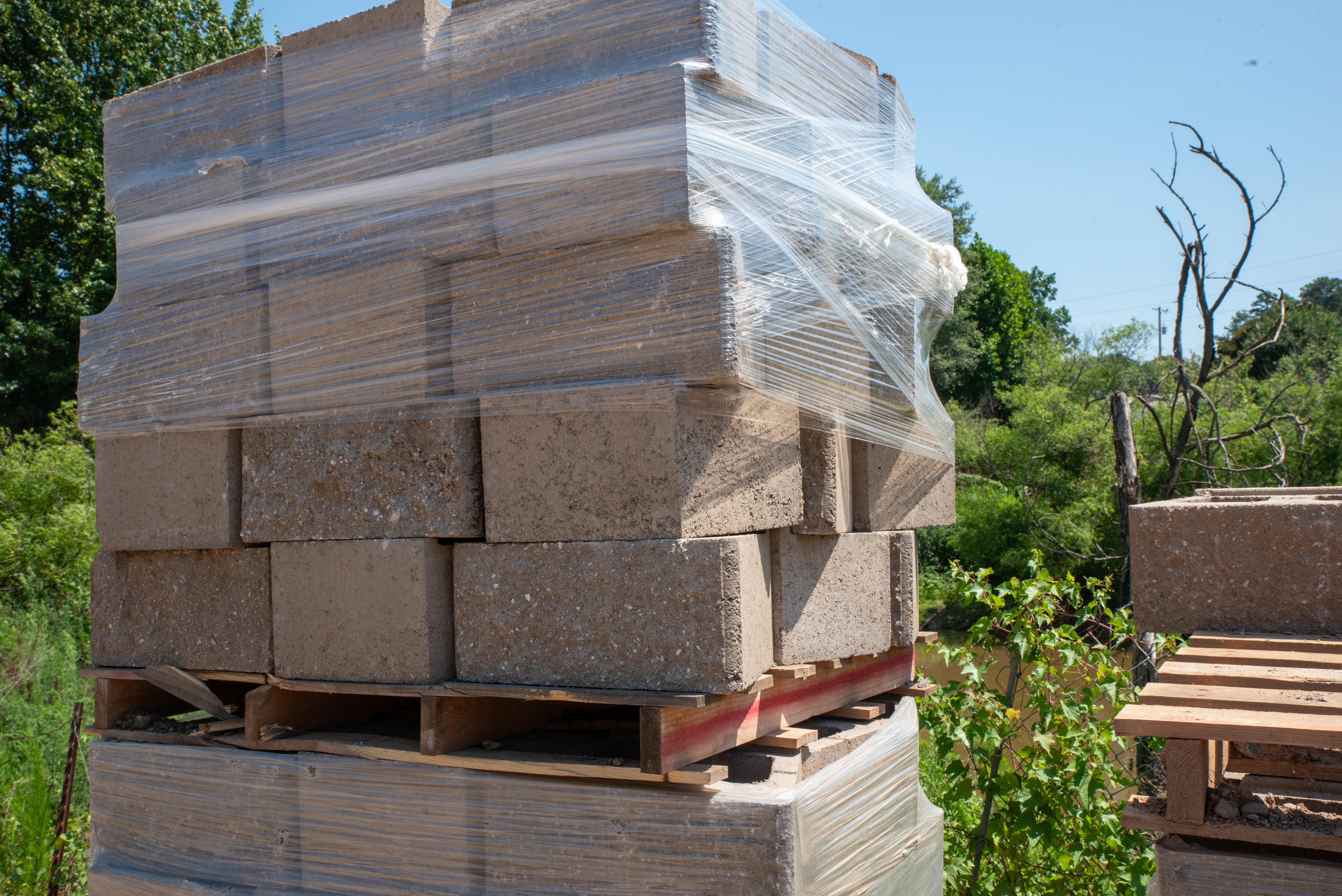
Block Pallet
PRD-20250423191549 Blocks In Stock Lawnmart
$400.00
/ pallet
Disclaimer:
Price may vary at the time of pickup/delivery.
We are holding a payment of
$400.00
/ pallet
and will process payment once you confirm the final price.
Description
Purpose: The primary function of the ridge block is to cap the ridge of a roof, preventing rain, snow, and debris from entering the space where two sloped roof sections meet. It also ensures the structural integrity of the roof by providing a sealed, weatherproof finish. Material: Ridge blocks are typically made from materials such as concrete, clay, terracotta, metal, fiberglass, or plastic. The choice of material depends on the type of roofing system and the desired aesthetic. Design: Ridge blocks are designed to fit over the ridge (the highest point) of a sloped roof. The design can vary, but they often have a slightly curved or rounded shape to match the roof's contour. Some ridge blocks may have ventilation features to allow airflow, reducing the buildup of moisture within the roof structure and preventing mold or mildew growth. Appearance: Ridge blocks can be plain or decorative, depending on the roofing style. For example, traditional roofs may have clay or terracotta ridge blocks with a more rustic, ornamental look, while modern roofs might feature metal ridge caps with a sleek and minimalist design.
Read moreDetails
Size: Common sizes for ridge blocks are typically around 12 to 18 inches (30 to 45 cm) in length, though custom sizes can be made depending on the roof's dimensions and requirements. The width and height can vary to fit different roofing styles and materials. Material Types: Concrete Ridge Blocks: Durable, long-lasting, and often used in tile or shingle roof systems. Clay or Terracotta Ridge Blocks: These are often used in traditional, tile roofing systems and offer an aesthetic appeal, especially for Mediterranean or Spanish-style homes. Metal Ridge Caps: Made from materials like aluminum, copper, or steel. They offer high durability and are commonly used in modern roofing systems. Some metal ridge caps may be coated for added protection against corrosion. Fiberglass Ridge Caps: Lightweight, strong, and weather-resistant, ideal for both residential and commercial roofing. Plastic Ridge Blocks: These are cost-effective, lightweight, and weather-resistant, suitable for certain types of roofing applications. Ventilation: Some ridge blocks come with integrated ventilation holes or slots that allow air to circulate within the roof space, which can help prevent moisture buildup and improve energy efficiency. Color Options: Ridge blocks are available in various colors to match or complement the roofing material. Concrete and clay blocks often come in neutral tones (gray, brown, red, etc.), while metal ridge caps can be painted in a variety of colors, often to match or contrast with the main roofing material. Weight: The weight of ridge blocks varies depending on the material used. For example, concrete and clay blocks can be quite heavy, while metal and plastic ridge blocks tend to be much lighter. Durability: Ridge blocks are built to withstand extreme weather conditions, including high winds, heavy rain, snow, and sunlight. Materials like metal and concrete are highly durable and offer long service lives with minimal maintenance. Installation: Ridge blocks are typically installed along the ridge of the roof, with each block interlocking with the next for a secure fit. Some ridge blocks are designed with clips or fastening systems to make installation easier and more secure. Proper installation is key to preventing leaks and ensuring the ridge block stays in place over time.
Read moreOther Vendors Offering This Product
Block Pallet
By Gabriela Melendez
$400 - Pallet. A Ridge Block (also referred to as a ridge cap or ridge tile) is ...
$400.00
0
Reviews
No reviews yet for this product.